Sunday, September 26, 2010

after it rained

Photobucket
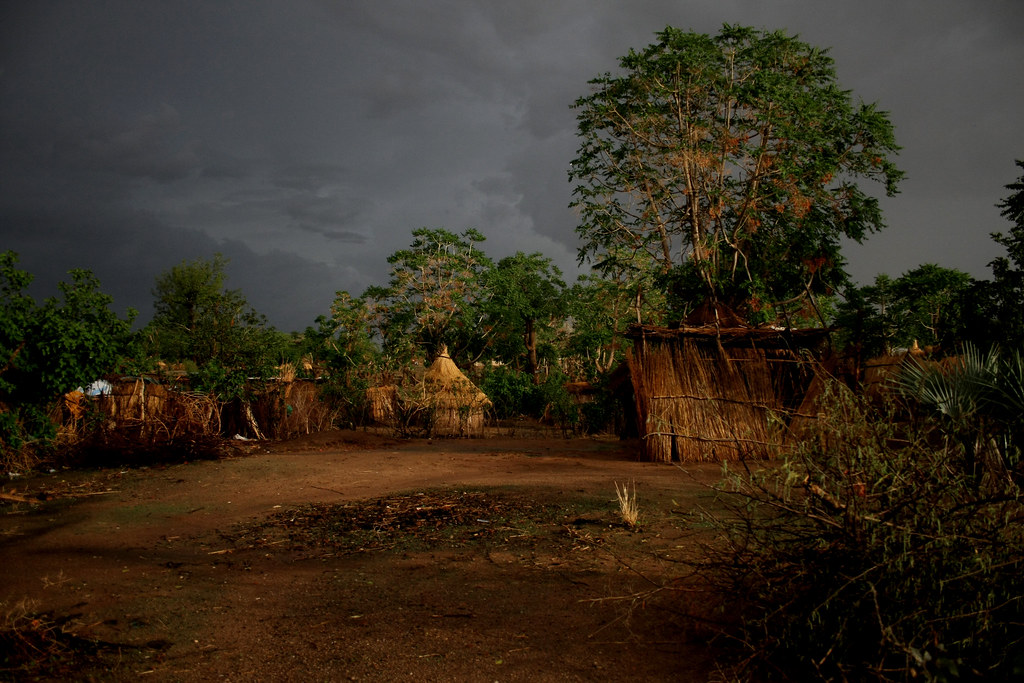
malakia after it rained and the sun had just begun to come out.

heidi and i made it to central sudan just as the rainy season had begun. this was amazing for a few reasons, not the least of which was the fact that in eight months in sudan, i had only seen rain once up until that point.

one afternoon the sky turned a familiar gray -- familiar, i mean, to those who have lived in portland, ore. for any amount of time -- and just opened up. we ran into the living room and listened to the drops smack the top of the tin roof.

when it was all over, one of the cousins came to get us. he held his hands to his face made a little click with his finger. it was time to take some pictures. so we did. and here they are. this, by the way, is my last little bit from malakia. next up: kadoogli.

by the by, i've switched to flickr. here's hoping the pictures will show up as i've color corrected them from here on out.

Photobucket
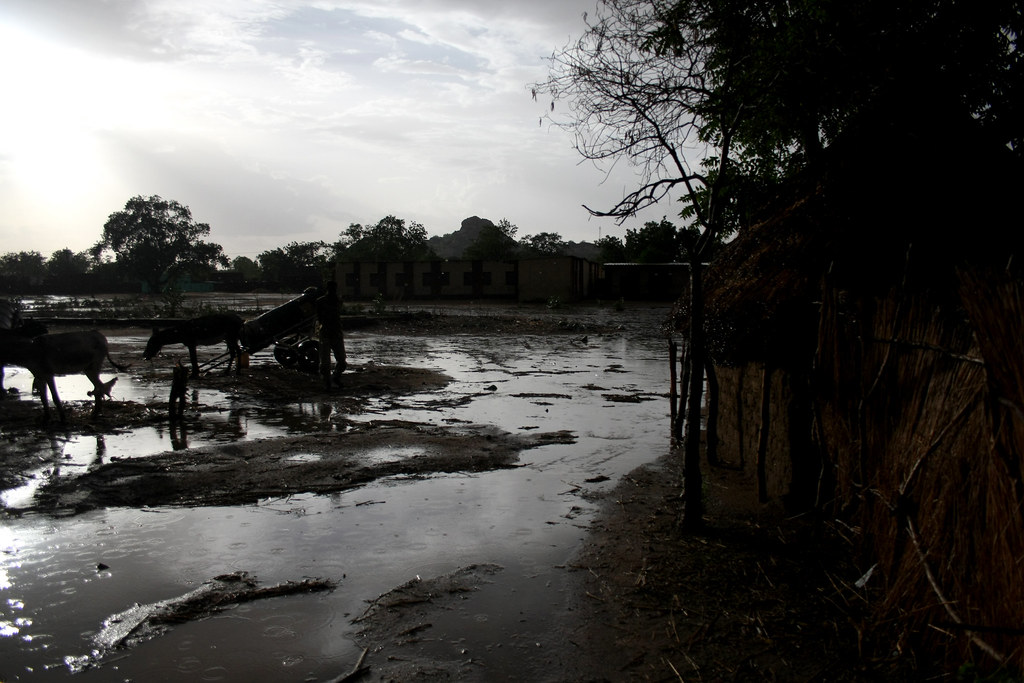
some donkeys, with their water drums in a flooded field.

Photobucket
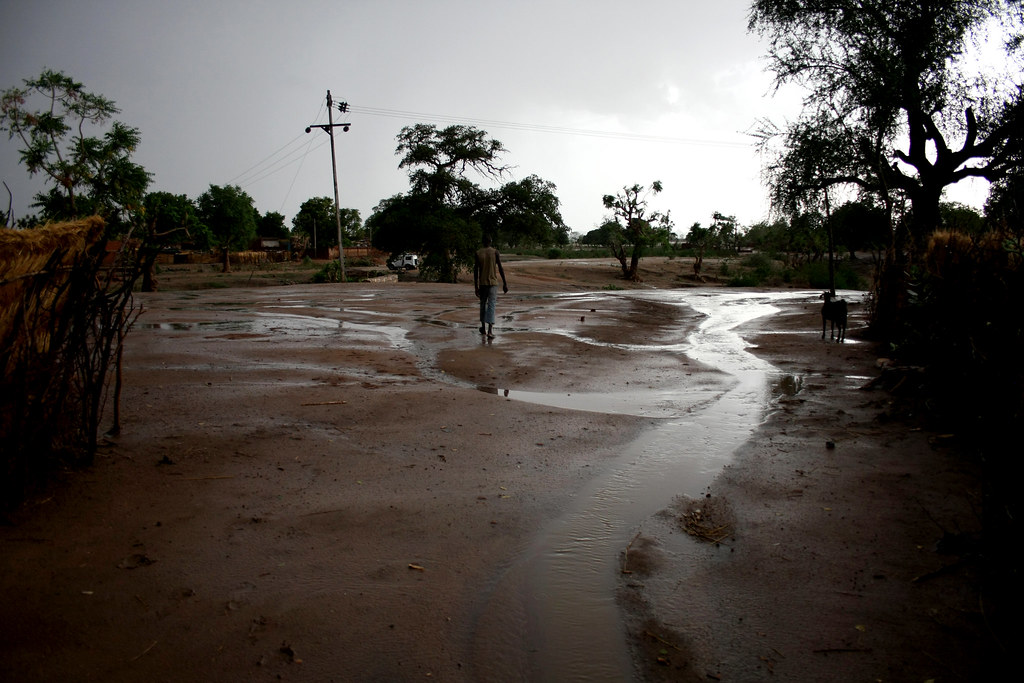
the cousin who wanted to show us what things looked like after the rain.

Photobucket
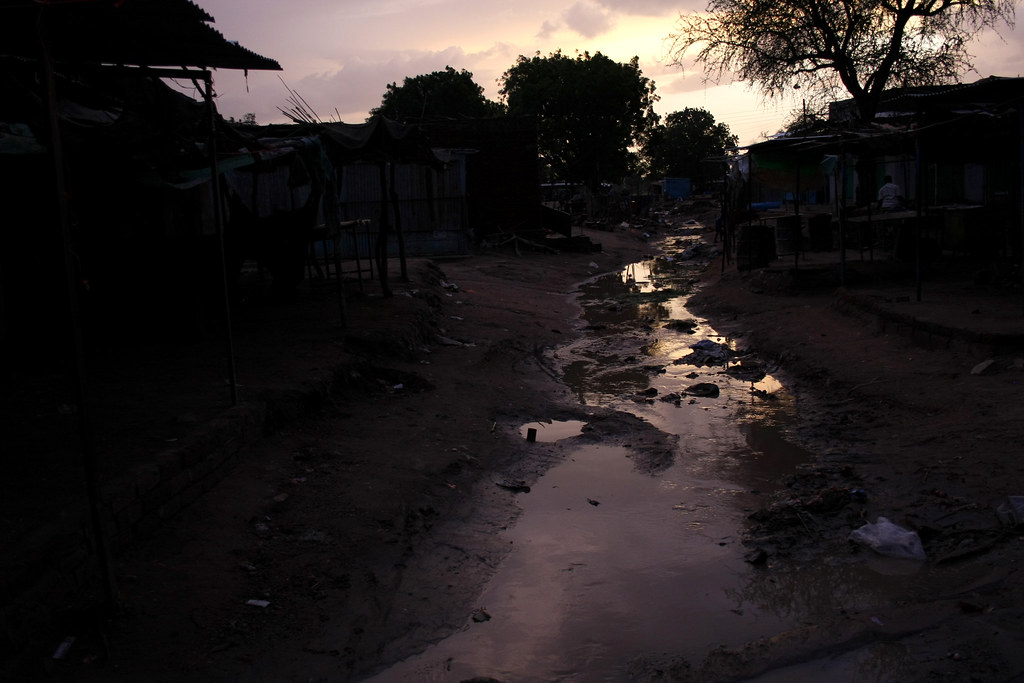
the central market.

Thursday, September 2, 2010

making music and coffee

Photobucket
a traditional coffee ceremony in malakia, dilling.

almost as soon as heidi and i had arrived in malakia, helawa, the woman who would put us up for the next few days, asked us if we'd like to share a cup of coffee or tea. coffee, we said, would be great.

in sudan, coffee is served strong and spiced with cinnamon and cardamon. grounds are cheap and easy to come by and a cup of coffee is just a boiling pot of water away. but in malakia, things, it seems, work a little bit differently.

after we'd decided on coffee, helawa went into her kitchen and came out with a small fire pit, a pestle and mortar and fresh beans and spices. she set about roasting the beans right in front of us and then grinding them with the spices. nearly an hour after her offer, she served us fresh coffee. the next day, she promised, we could do it again but she'd bring around the neighbors and her sisters.

that's exactly what happened. helawa and five other women gathered to perform a traditional coffee ceremony. they roasted the beans and ground them up and all the while they sang. have a listen to what making coffee in sudan sounds like:


Photobucket
the coffee is roasted over a coal fire. you have to keep the beans constantly moving or they'll burn.

Photobucket
once the beans are roasted, they're ground along with some traditional spices.

Photobucket
the pestle and mortar became the drum beat for the songs.

Photobucket
while the coffee is brewing, the women sing and the cups are clanked along to the beat.

Photobucket
the coffee is served in a traditional pot with bits of twigs that act as a filter for the grounds.

Photobucket
the children don't get to drink the coffee, but they do get in on the singing.

Photobucket

Sunday, August 29, 2010

after waking up

some more images from our time in malakia:

Photobucket
the women spent most of their day hanging around the kitchen.

Photobucket
grandma and granddaughter.

Photobucket

Photobucket
helawa, our hostess, made some kisra, a traditional sudanese hand bread, sort of like ethiopian injera.

Photobucket

Photobucket
we all ran inside during a pretty crazy rain storm. it was the first time i'd seen it rain in nearly seven months.

Photobucket
mom and daughter.

Photobucket
hamoodi doin' his thing.

Tuesday, August 24, 2010

waking up in malakia

Photobucket
hamoodi.

while making our way through central sudan, heidi and i stopped in a smallish town called dilling that had a reputation for being a dirt-filled pit stop on the way to beautiful kadoogli and the even more beautiful nuba mountains. as it turned out, we sort of found things reversed.

as great and as lovely as kadoogli and the nuba mountains were (i'll post pictures soon), dilling won us over. this was in no small part due to the family we stayed with in a section of town called malakia, where straw huts proliferated and only our family had electricity (and just two light bulbs at that). not only were the adults endlessly welcoming (opening their homes to us for more than a few days, roasting and grinding coffee for us when we first arrived), but there was also the adorable hamoodi who would spend the days teasing us and showing off on his (training-wheel-equipped) bike.

falling asleep and waking up in malakia is an amazing thing. as with most of sudan, you sleep oustide. but in malakia, with lights few and far between, at night the sky looks impossibly full of stars, and when you wake up to the rooster crowing - at least during the rainny season - the air is cool and the sun has painted the sky some beautiful combination of orange and purple and blue.

Photobucket

Photobucket
hamoodi and his (much taller and older) cousin.

Photobucket

Photobucket
hamoodi has just started taking his morning tea and bread solo -- just like the adults.

Photobucket

Photobucket

Thursday, July 29, 2010

planet-eating trees and other desert things

Photobucket
a planet-eating tree. in sudan!

i don't know why, exactly, but ever since i read 'the little prince,' i've been obsessed with baobab trees. baobabs are these amazingly gnarled, hulking trees that, at least according to the little prince, can make quick work of a small planet.

'a baobab,' the story goes, ' is something you will never, never be able to get rid of if you attend to it too late. it spreads over the entire planet. it bores clear through it with its roots. and if the planet is too small, and the baobabs are too many, they split it in pieces ...'

after you've read that, it's sort of impossible to pass up a picnic in a dried river bed lined with them.

(we saw a caravan of camels, too.)

Photobucket
first sighting of a planet-eating tree. my friend was slightly less impressed than i was. slightly.

Photobucket
the sun setting over the planet-eating trees.

Photobucket
planet-eating tree trunk.

Photobucket
planet-eating branches.

Photobucket
a caravan of camels near the planet-eating trees.

Photobucket
heidi photographs the caravan leaders.

Photobucket
water bottles make pretty good impromptu drums. this happens a lot in sudan. no joke.

Wednesday, July 28, 2010

leftovers

a while back, i posted a some shots from a wedding in obeid. here are a few more images from that day -- this time from the men's side:

Photobucket
traditional sudanese grub. clockwise from top: yoghurt, rice, pickled things, meat, cheese, bread, beans, eggs, falafel and (at center) asida (stew with flour paste).

Photobucket
the men sat separately from the women, drinking, eating, laughing. the usual.

Photobucket
the groom is the very smiley man to the left.

Thursday, July 22, 2010

between sudan and asia

Photobucket
a rancher guides his cattle past tis issat, 'smoking waters.'

the internet is a bit of a luxury these days. hopefully i'll have a strong connection before the week is over. until then, i wanted to put a little something up about (northern) ethiopia.

not far from lake tana, the source of the blue nile, is a waterfall called tis issat. directly translated from amharic, it means smoking waters. near the overlook, kate and i met a rancher who has seen the falls shrink as water from the blue nile has been redirected into hydroelectric and irrigation projects.

it used to be that the waterfall overwhelmed everything, throwing a cloud of mist over the whole area. two rainbows hung permanently in the sky. those days are over, it seems, but the area itself is still incredible.

Photobucket

Photobucket
it's a short hike to the falls. you set off from a small town, where cows trod past local barbershops.

Thursday, July 1, 2010

polaroids in transit

i'm in transit and still have much photo editing to do, but here are the last of my tz artistic exposures from sudan -- baobabs from different angles and one straw-and-stone hut.

Photobucket

Photobucket

Photobucket

Photobucket

Photobucket

Monday, June 21, 2010

nuba mountain portraits

Photobucket
heidimarie erickson, lagawa, nuba mountains, 1927

Photobucket
ryan kost, lagawa, nuba mountains, 2010

Sunday, June 20, 2010

i do - in sudan

i just got back from a bus-ride-filled, 10-day trip to kordofan, the region that lies at the heart of this massive country. i visited four different towns/ villages and took about 1,000 photos. it's going to take me a while to work through them all, but i'm hopeful i'll have a few good shots to post here soon. until then, here are a couple images to get me started:

Photobucket

Photobucket

in obeid, the capital of north kordofan, deanna brought us along to a wedding celebration. the women -- who celebrate separately from the men -- pass the time cooking, eating, chatting, singing and performing traditional sudanese dance.

the dance itself, pictured above, is hard to describe. basically, though, you throw your head and shoulders back and move your upperbody in this slow, circular rhythym. the way i describe it, the dance doesn't sound very sensual, but if it's anything, it's that. in fact, in a place like sudan, where sexuality and sensuality is sort of kept out of the public sphere, it's especially wild to see.